

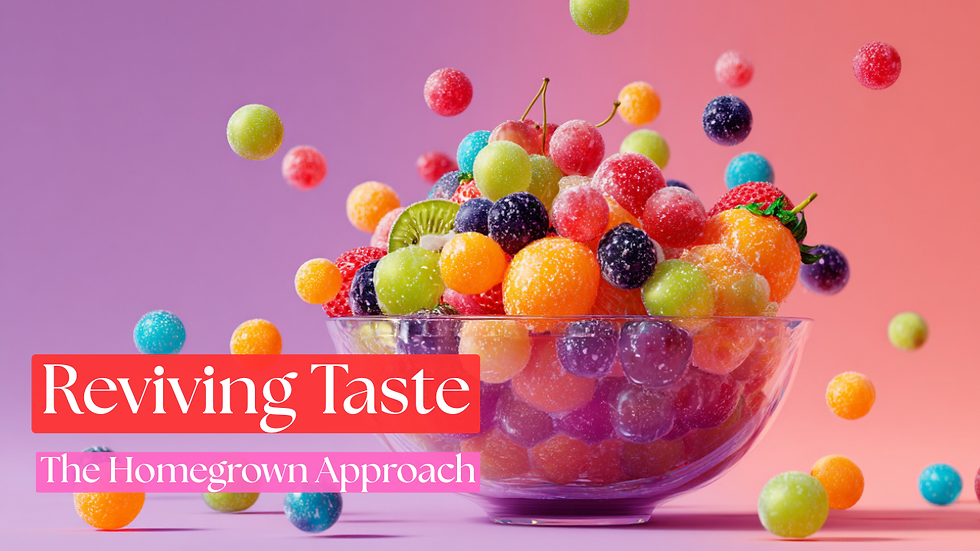
Reviving Taste: Foregoing Fruit in a Candy Culture
- Ross Bechtold
- Mar 20
- 1 min read

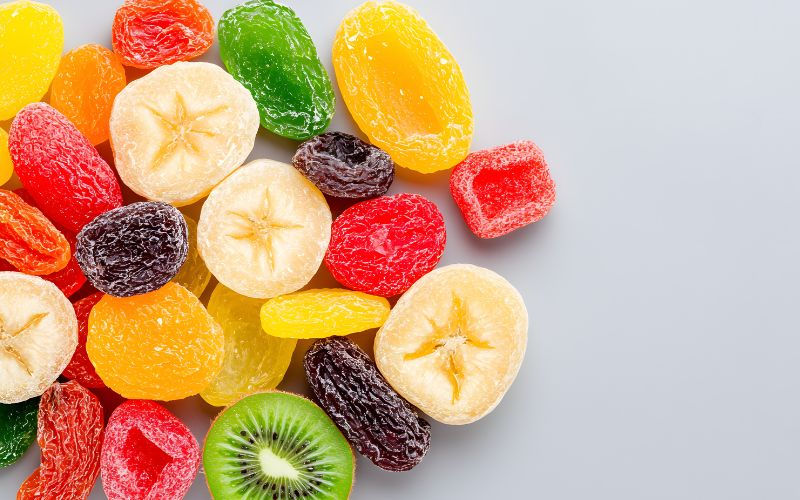
If you feed the people candy long enough, fruit begins to taste wrong. Not because fruit has changed. Not because it has lost its nutritional value. But because the palate has shifted.
Candy is immediate. It is engineered to reward. It is predictable. It is optimized for repeat
consumption. It delivers satisfaction without resistance.
Fruit requires something different. It carries texture. Sometimes bitterness. Sometimes
complexity. It asks you to chew.
This is the analogy I keep returning to when I look at the current state of entertainment.
We have built a system that feeds the masses candy—endlessly scrollable content, franchise iterations, algorithm-approved storytelling, and empty beats packaged with flashy rappers—I mean wrappers. None of it is inherently evil. None of it is devoid of craftsmanship.
But it is designed for speed and reaction, not digestion.
And over time, something subtle has happened.
We have lost our taste for complexity.
Originality, by its nature, is not instantly gratifying. It can feel disorienting. It may lack familiar
structure. It may even be misunderstood on first encounter. It often contains that complex, slightly bitter ingredient that makes it durable. But durability requires patience.

When an audience is conditioned toward constant sweetness, even well-made fruit can seem unsatisfying. A slower narrative arc feels “boring.” A morally complicated character feels “unlikable.” A new aesthetic feels “off.”
The question is not whether originality still exists. It does.
The question is whether we still have the cultural appetite to receive it.
Next time: Skittles and Salad and Unfocused Palates


Comments